Indiana Limestone vs. Quartz: Choosing Kitchen Countertops for Hard Water
A white ring beside the faucet means water dried on the counter. It does not, by itself, tell you the countertop was etched. That distinction matters when comparing Indiana limestone with engineered quartz. Both surfaces can show deposits. The more useful question is what cleaning the deposit will require and whether that cleaner suits the particular slab.
Contents
- What does hard water change at a kitchen sink?
- What should you know before choosing Indiana limestone?
- How should engineered quartz enter the comparison?
- How do you compare appearance and layout?
- What belongs in comparable quotes?
- Which countertop should you choose?
Key takeaways
- Water left to dry can leave a visible deposit on the faucet, backsplash, rim, or countertop.
- Indiana limestone offers a particular natural appearance, but it is a calcareous stone.
- Engineered quartz is a manufactured countertop product; its care instructions come from the maker of the exact product.
- Place real samples beside the cabinet door, sink, backsplash, and light source that will be used in the kitchen.
- Compare quotes for the same layout rather than comparing a price per slab with a fully installed price.
The US Geological Survey explains that dissolved calcium and magnesium make water hard and that hard water can leave mineral deposits. Your own supply may differ from a neighbor's, especially if one kitchen uses a private well or treatment system. Get a current water report or test the water at the sink before designing the room around an assumed local hardness figure.
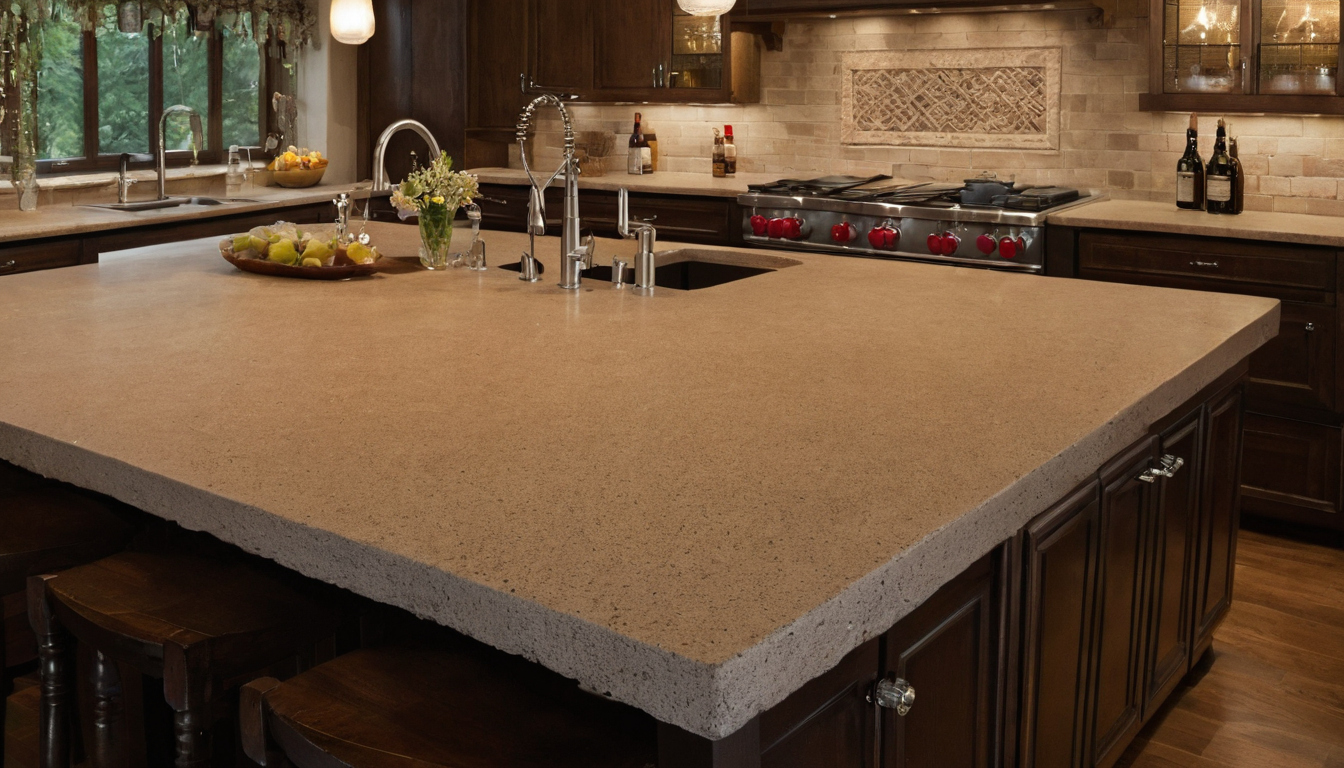
Indiana Limestone vs. Quartz: Choosing Kitchen Countertops for Hard Water.
What does hard water change at a kitchen sink?
Water left to dry can leave a visible deposit on the faucet, backsplash, rim, or countertop. The deposit is a cleaning problem; surface damage is a separate diagnosis. A dull patch may reflect an altered finish, a cleaner used previously, or residue that still needs removal. Guessing from a photograph often leads to the wrong treatment.
Start by observing where water sits. Look at the joint behind the sink, the faucet base, the draining area, and any place a dish rack regularly drips. These spots reveal more than a general description of the home's water supply. Ask how often someone can wipe them dry and which cleaning products the household already uses. If an installer proposes a material that needs special care, the daily routine should be realistic for the people who live there.
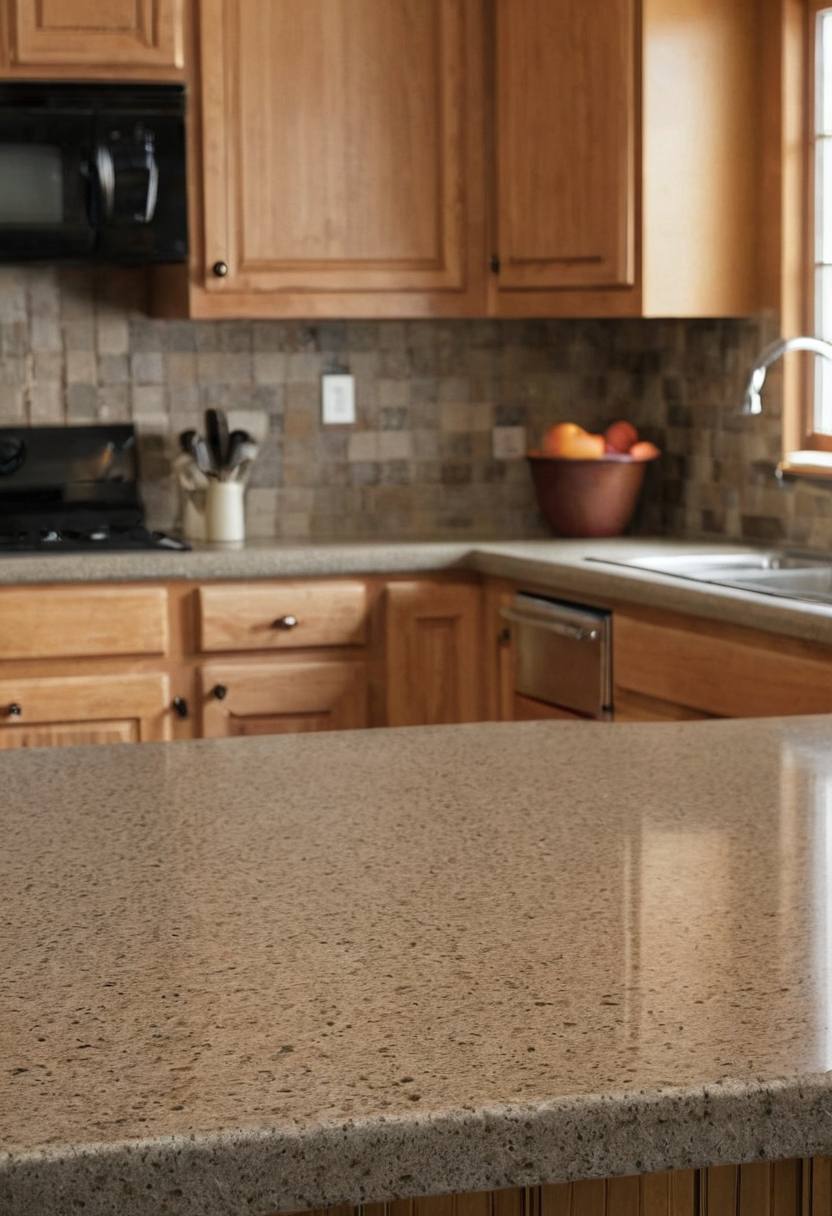
How does Indiana hard water damage kitchen countertops.
Water treatment may change the deposits you see, but it does not make a delicate surface immune to an unsuitable cleaner. If a softener or filter is planned, identify which tap it serves and have the actual water tested after installation. Keep material selection and water treatment as separate decisions until those facts are known.
What should you know before choosing Indiana limestone?
Indiana limestone offers a particular natural appearance, but it is a calcareous stone. The Natural Stone Institute's care guidance explains that calcareous stones are sensitive to acidic solutions. The National Park Service's guidance on limestone cleaning likewise warns that acidic cleaners can etch acid-sensitive stone. The Park Service document concerns historic masonry rather than kitchen countertops; its useful lesson here is to check chemical compatibility, not to borrow a masonry cleaning procedure for a food-preparation surface.
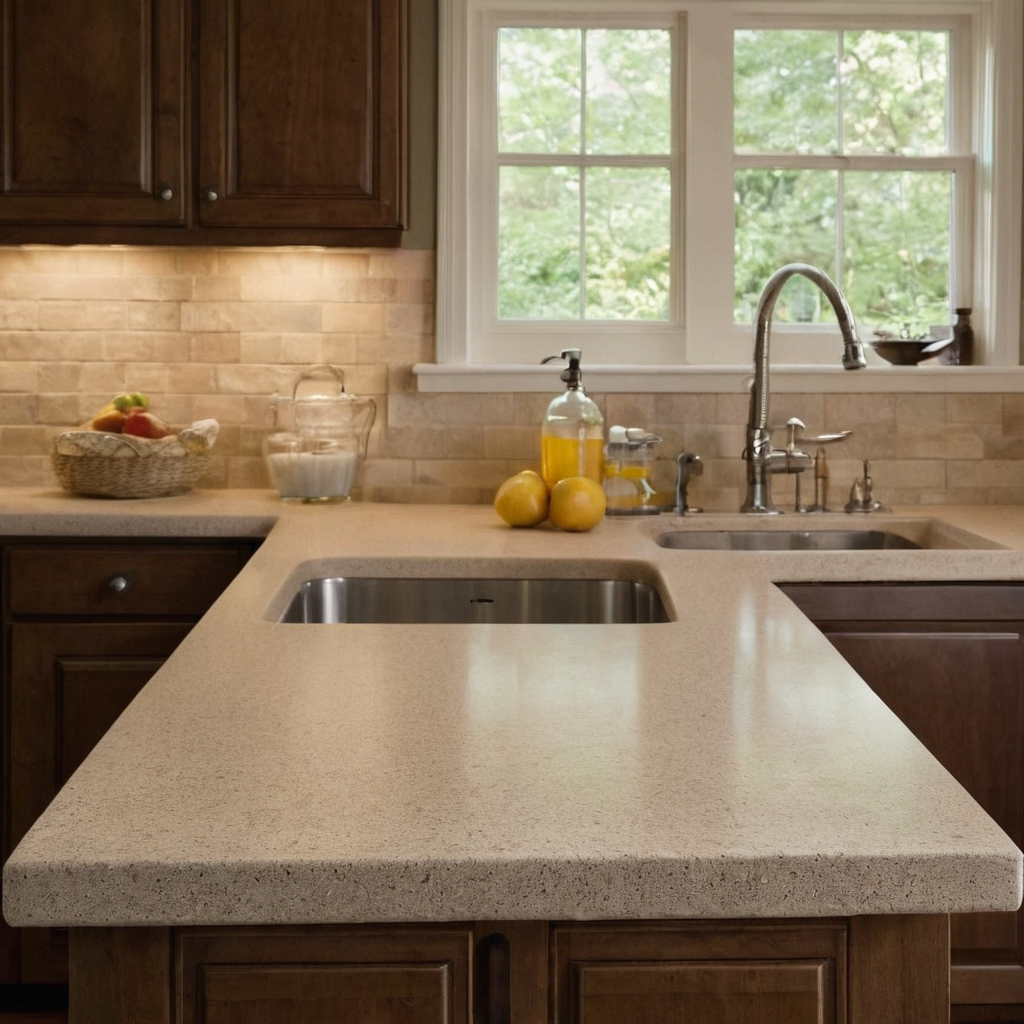
Is Indiana limestone suitable for kitchen countertops near hard water sinks.
The distinction matters when someone reaches for a descaler to remove a ring beside the tap. A product that removes deposits from metal or ceramic may be unsuitable for limestone. Ask the stone supplier for written instructions for the exact slab and finish. Check the cleaner on an approved sample before using it across an installed counter. If a mark remains after appropriate cleaning, ask the fabricator to assess it rather than scrubbing harder.
Sealing needs similar care in the language used to describe it. The Natural Stone Institute explains that impregnating sealers are repellents, not absolute barriers. A sealant is not a promise that acidic spills or cleaners can no longer affect limestone. Request the named sealer, application instructions, and a maintenance plan for that particular installation. Ask who will perform any future treatment and what visible change would justify a professional inspection.
Finish and texture affect what you notice, but a sample is more informative than a promise that one finish will hide every spot. Take the actual finish sample into kitchen lighting. Wet it, let a small approved water drop dry, then clean it only as the supplier directs. Agree with the supplier in advance on a sample test that will not damage stock they intend to sell. The purpose is to see the appearance and care burden you are accepting, not to establish a universal durability ranking.
How should engineered quartz enter the comparison?
Engineered quartz is a manufactured countertop product; its care instructions come from the maker of the exact product. Do not treat advice for natural quartz mineral, a different brand's slab, or a showroom sample as a guarantee for yours. Obtain the current installation and maintenance documents before ordering, including instructions for cleaning deposits, handling hot cookware, and dealing with spills. Keep the product name and finish on the quote so the instructions can be matched to what arrives.
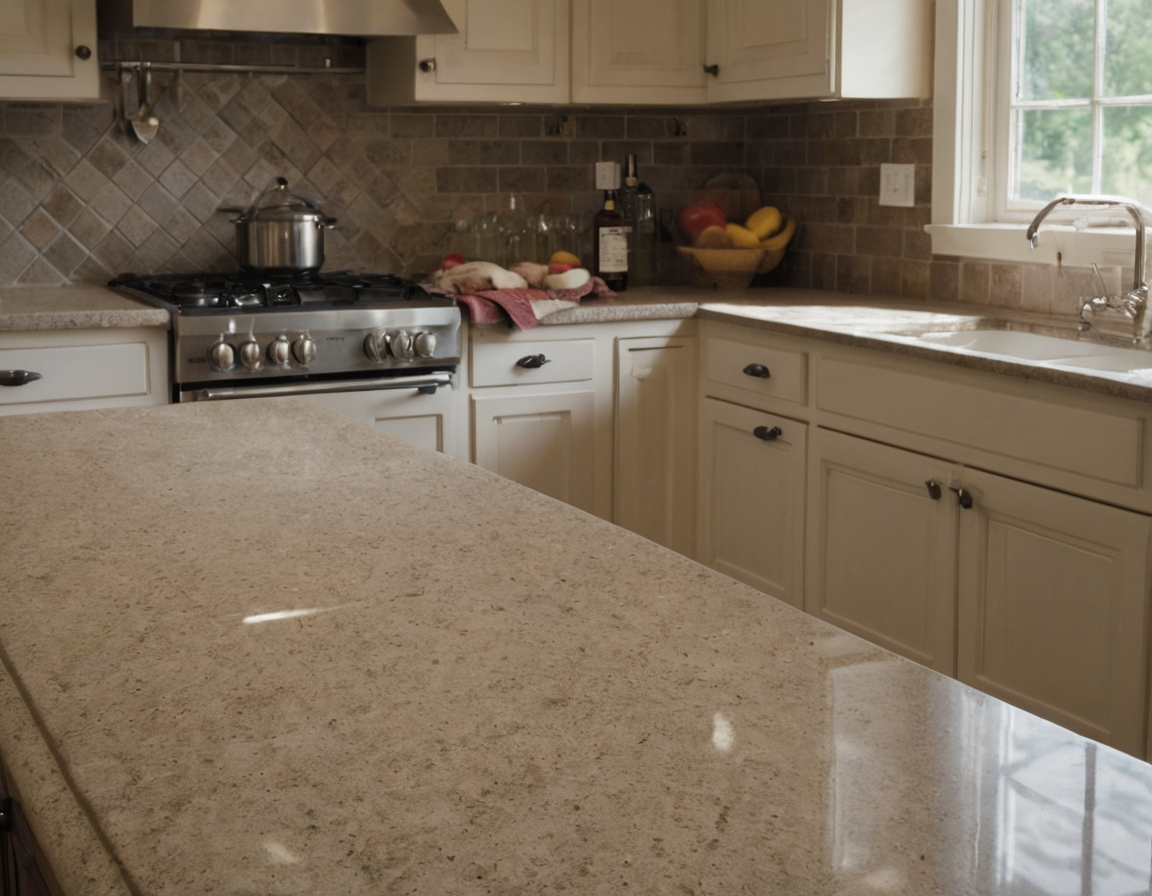
Why does quartz resist hard water damage in Indiana kitchens.
Ask the fabricator to demonstrate a routine cleanup on an offcut of the proposed surface. Use the household's normal water and a cleaner the manufacturer permits. If the cleaner that works on a faucet is excluded for the slab, that is a useful finding. Decide where to store the compatible cleaner and whether the household will actually use it. An easy-care claim means little without a specified product and a task you can try.
Resin content, finish, warranty terms, and approved cleaners can differ among products. Avoid blanket promises that every engineered slab is impervious to stains, heat, or cleaning chemicals. If a sales claim matters to the decision, ask where it appears in the current product documentation. The same rule applies to a claim that a limestone slab can be resurfaced after damage: ask a fabricator what could be done to the proposed finish and what the resulting area would look like.
How do you compare appearance and layout?
Place real samples beside the cabinet door, sink, backsplash, and light source that will be used in the kitchen. View them dry and after the supplier-approved water test. A small sample may not show the range of variation in a full natural-stone slab, so inspect the actual slab or a documented layout before approving cuts. For engineered quartz, check that the displayed sample corresponds to the exact color and finish on the order.
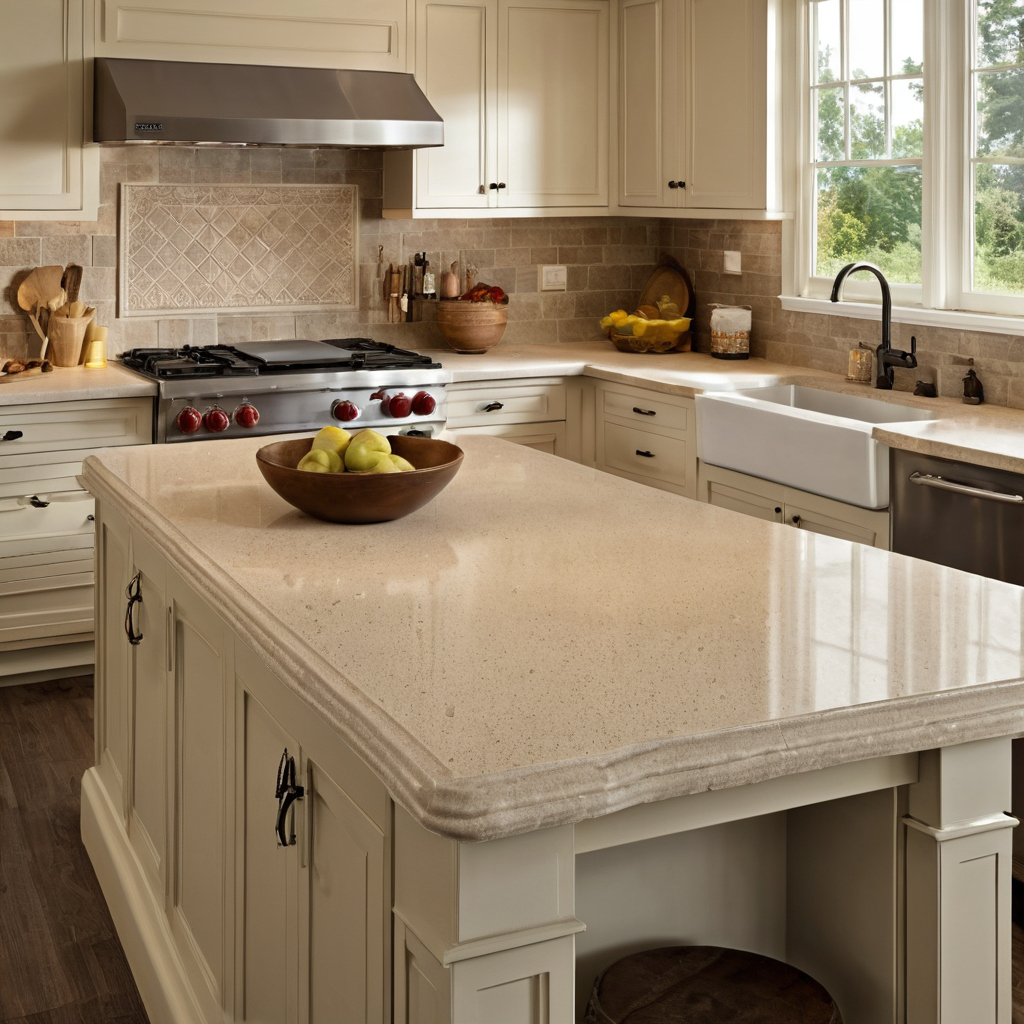
How do Indiana limestone and quartz compare for kitchen remodeling costs.
Draw the wet zones on the kitchen plan. A main sink, preparation sink, and coffee station may create different maintenance demands from an island used mostly for serving. If you are considering different surfaces in different zones, the seam, edge treatment, thickness, and support deserve a fabricator's drawing. That is a design option to evaluate, not an automatic compromise that suits every floor plan.
Ask how the chosen edge meets the sink and backsplash. These details often determine where droplets collect and how easy the surface is to wipe. Ask who supplies the sink, who cuts the opening, and who is responsible for sealing any joints. This conversation is useful regardless of which countertop material wins.
What belongs in comparable quotes?
Compare quotes for the same layout rather than comparing a price per slab with a fully installed price. Each quote should name the material and finish, the measured area, edge details, openings, seams, delivery, installation, and any treatment or sealing included. Ask about the scope of demolition and disposal too. If an allowance substitutes for a named slab, make sure the final selection can be priced before fabrication begins.
Put maintenance in a separate column. For limestone, price the supplier's actual care plan and any service the fabricator recommends. For engineered quartz, obtain the product's approved cleaner list and warranty exclusions. Neither material has a universal lifetime cost. A household that diligently wipes wet areas may spend effort differently from one that wants to leave dishes and splashes overnight. The budget comparison must reflect that behavior, rather than a claimed market-wide winner.
If a stain or dull spot appears later, the first paid response should be diagnosis. Ask whether the issue is residue, finish alteration, a joint problem, or something else before authorizing refinishing. Keep the installation documents and a leftover sample; they make that conversation more concrete.
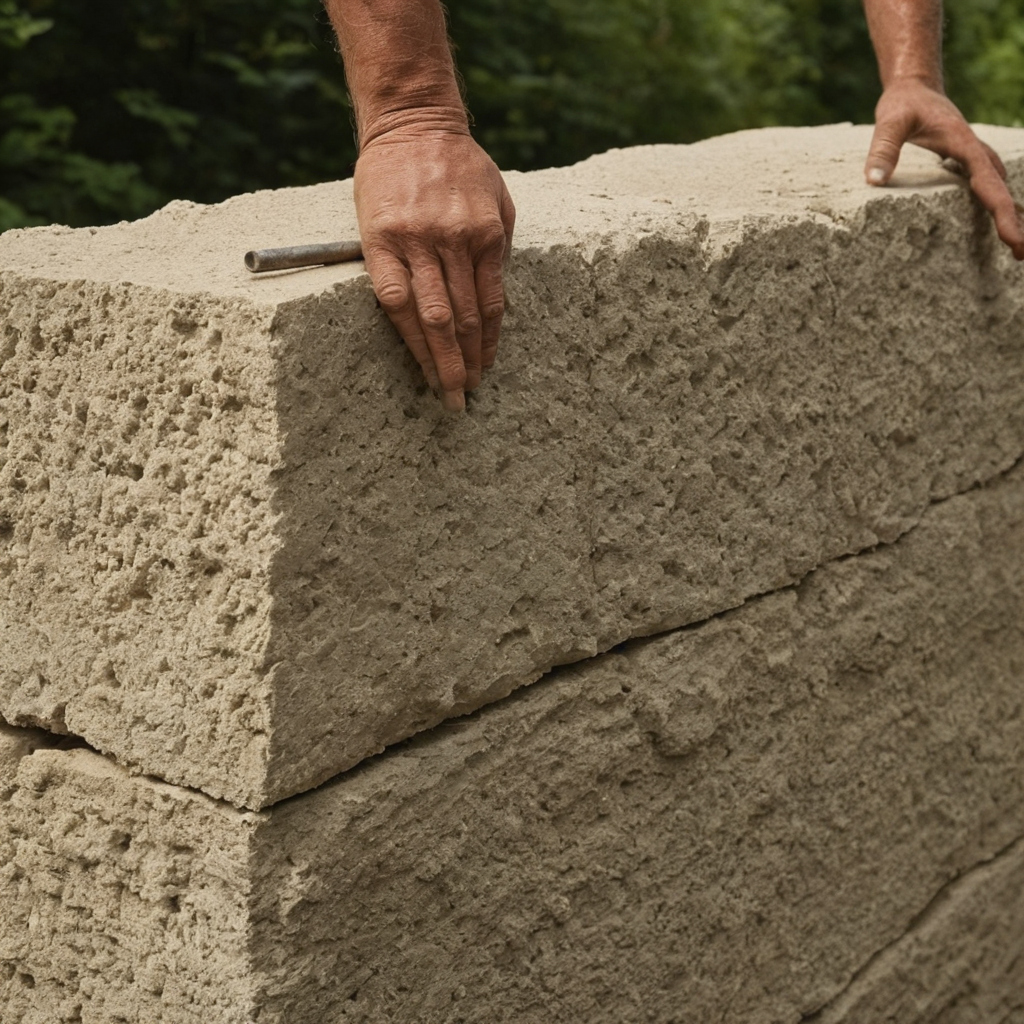
What are the design trade-offs between local limestone and engineered quartz.
Which countertop should you choose?
Choose after testing the actual water, reviewing exact-product care instructions, and seeing a sample in the planned room. Limestone may be appealing if its appearance is worth the stated care routine and the household is comfortable avoiding cleaners that can etch it. Engineered quartz may appeal if the chosen product's documented routine suits the way the kitchen is used. Neither answer follows automatically from the word "Indiana" or a single water-hardness map.
Before a deposit appears, write down the approved cleaning method and keep it with the product paperwork. The simplest useful test is whether you can explain to another person how to clean the sink edge without guessing at a chemical. If that answer is clear for the chosen slab and the quote covers the whole installation, the decision is much better grounded than a generic material ranking.
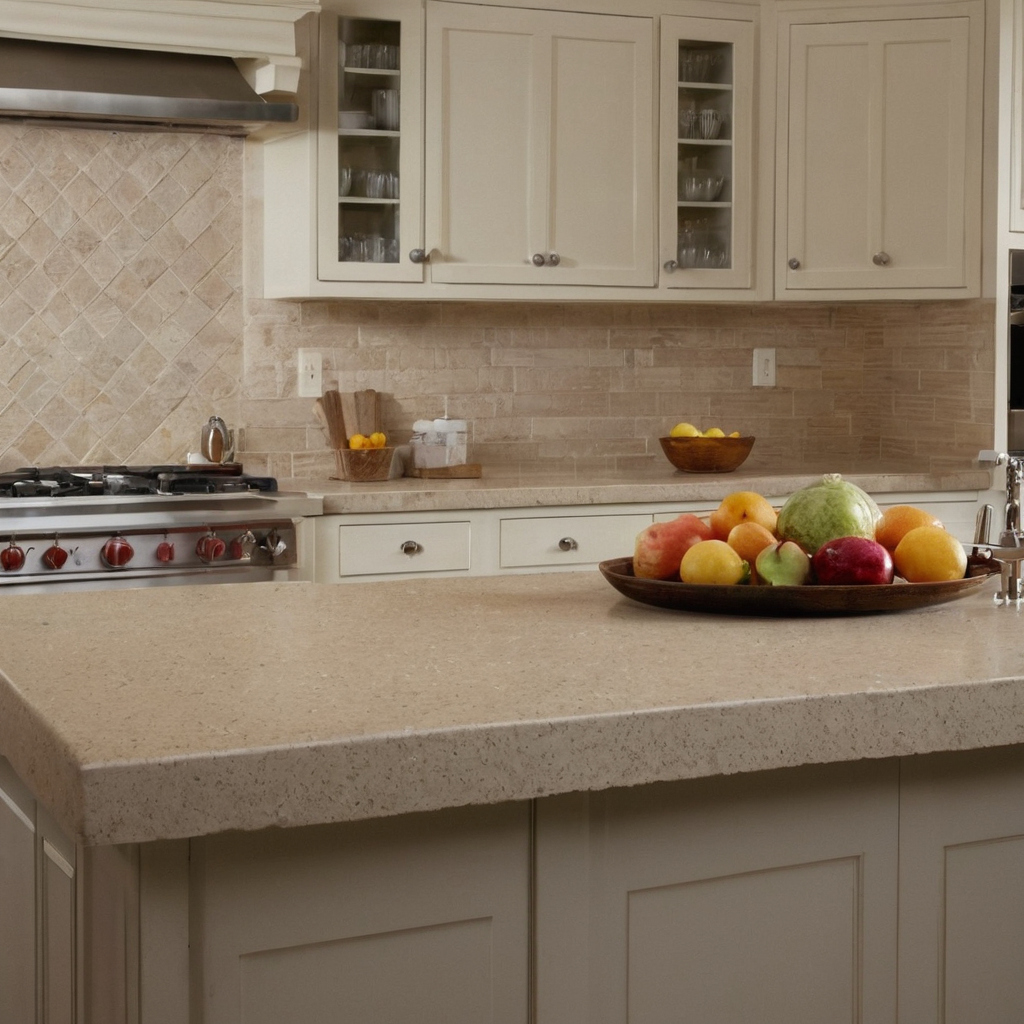
Which countertop material should Indiana homeowners choose for hard water areas.
For more on this topic, see other guides on this site.